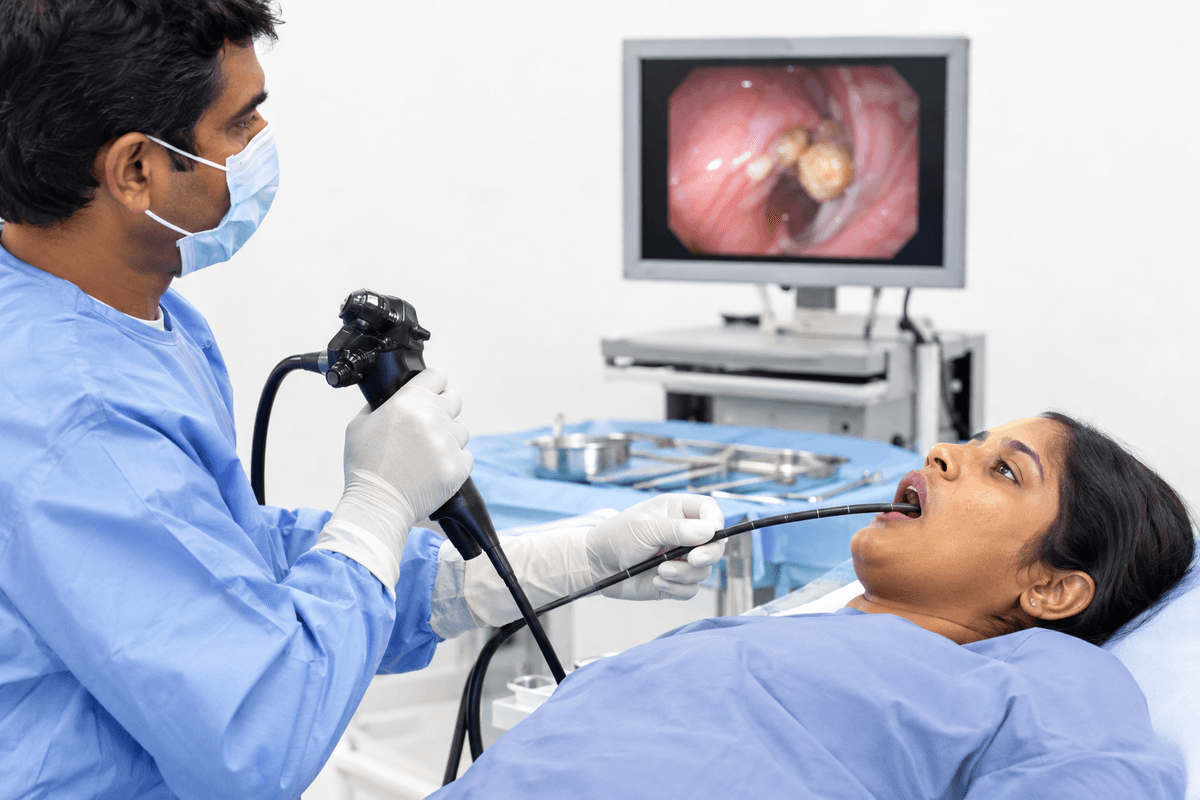
Performed by our specialist team at Shreedeep Hospital
Endoscopic stone removal in Ahmednagar is a minimally invasive urological procedure that uses thin, flexible instruments and cameras to locate and extract stones from the urinary tract without large incisions. This advanced technique allows for precise stone removal with minimal tissue damage, faster recovery, and reduced complications compared to traditional open surgery. Our specialist team at Shreedeep Hospital specializes in performing endoscopic stone removal procedures with modern equipment and extensive experience in managing complex urological cases.
We believe in honest, upfront disclosure so you can make an informed decision.
A step-by-step look at what happens during this procedure.
The patient receives general or spinal anaesthesia to ensure comfort throughout the procedure. Vital signs are continuously monitored by the anaesthesia team.
A thin, flexible ureteroscope is inserted through the urethra and bladder into the ureter or kidney without any external incisions. The endoscope contains a camera that provides real-time visualization of the urinary tract.
The surgeon navigates the endoscope to locate the stone, examining its size, position, and characteristics. High-definition imaging helps assess the best removal strategy.
Depending on stone size, the surgeon either extracts it whole using specialized baskets or fragments it using laser lithotripsy. Laser energy breaks larger stones into smaller pieces that can be removed or passed naturally.
A temporary ureteral stent may be placed to facilitate healing and drainage. The endoscope is carefully withdrawn, and the procedure is completed without sutures as no incisions were made.
A structured, patient-first approach from first consultation to full recovery.
At Shreedeep Hospital, our specialist team conducts thorough imaging studies including CT scans and ultrasounds to precisely map stone location and size, ensuring optimal treatment planning and personalized care for each patient.
We utilize modern flexible ureteroscopes and holmium laser lithotripsy systems that enable precise stone fragmentation with minimal trauma to surrounding tissues and faster recovery.
Our specialist team's expertise in endoscopic procedures ensures meticulous stone removal with attention to preserving urinary tract integrity. Our team monitors patients throughout the procedure to maintain safety and comfort.
Shreedeep Hospital provides comprehensive post-operative monitoring, pain management, and detailed discharge instructions. Follow-up appointments include stent removal if placed, imaging to confirm stone clearance, and preventive counseling to reduce recurrence risk.
What to expect at each stage of your recovery journey.
Patients are monitored in the hospital for pain control, adequate urination, and absence of complications. Mild blood in urine is normal. Most patients are discharged within 1-2 days with oral pain medications and antibiotics.
Patients experience gradual reduction in discomfort and improved urination. Increased fluid intake is essential to flush stone fragments. Light walking is encouraged while avoiding strenuous activities, heavy lifting, and vigorous exercise.
Most symptoms resolve completely, and patients return to normal activities including work and exercise. If a stent was placed, it is removed in a brief office procedure. Follow-up imaging confirms stone clearance and urinary tract healing.
Endoscopic stone removal effectively addresses pain, obstruction, and infection risk associated with urinary stones.
The procedure requires no external incisions, leaving no visible scars and resulting in significantly less post-operative pain compared to traditional open surgery.
Most patients resume work and daily activities within one week, with complete recovery in 2-4 weeks, minimizing disruption to personal and professional life.
By removing obstructing stones promptly, endoscopic removal prevents progressive kidney damage, preserves renal function, and reduces the risk of chronic kidney disease and recurrent infections.
Let's clear up some of the most common myths about endoscopic stone removal.
Get a personalised assessment from an experienced specialist. Understand your options, ask your questions, and decide with confidence.