Treated by our specialist team at Shreedeep Hospital
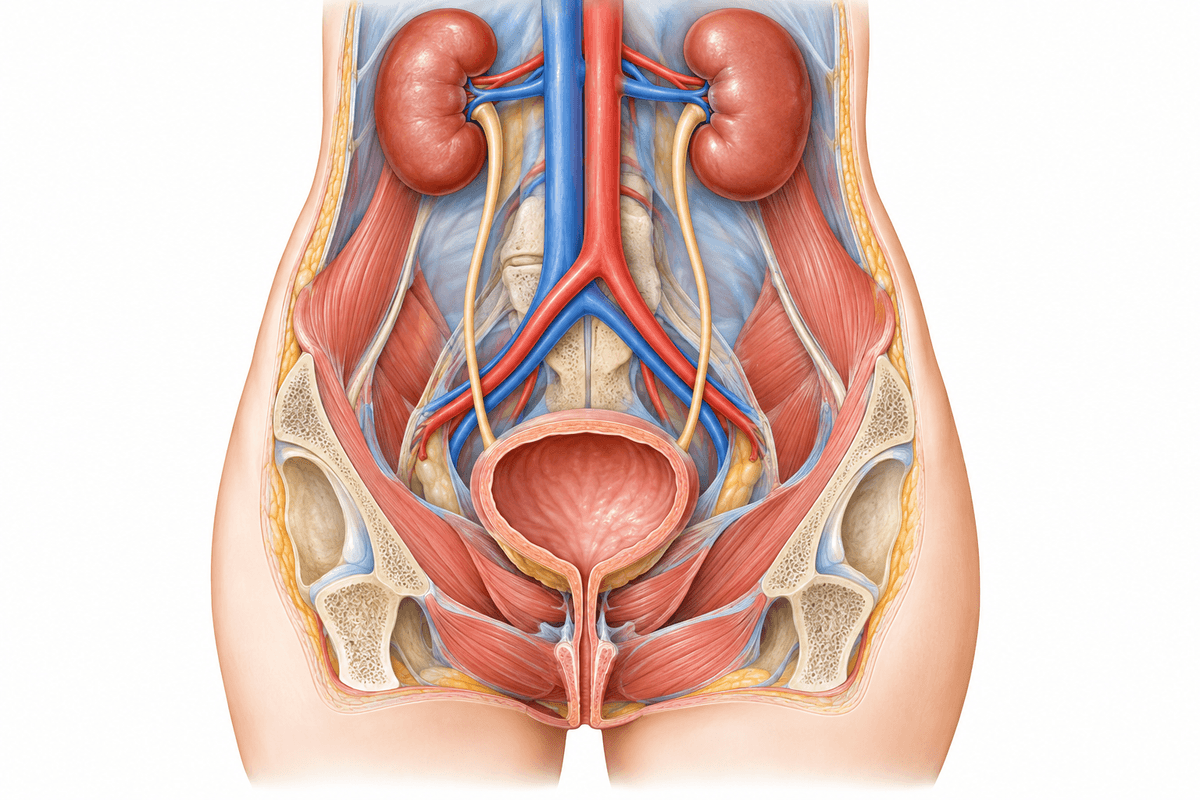
Bladder disorders in Ahmednagar encompass a range of conditions affecting the bladder's ability to store and release urine properly, impacting daily quality of life. These conditions can affect people of all ages and may result from infections, structural abnormalities, neurological issues, or age-related changes. Our specialist team at Shreedeep Hospital provides comprehensive evaluation and treatment for all types of bladder disorders using advanced diagnostic tools and evidence-based therapeutic approaches.
A condition characterized by sudden, urgent need to urinate frequently, often with involuntary leakage. It results from abnormal bladder muscle contractions and can significantly disrupt daily activities and sleep patterns.
A chronic condition causing bladder pressure, pain, and sometimes pelvic discomfort, often accompanied by frequent urination. The bladder wall becomes inflamed and irritated, leading to persistent symptoms that vary in intensity.
A disorder where nerve damage prevents proper bladder control, resulting from conditions like spinal cord injury, diabetes, or stroke. Patients may experience urinary retention, incontinence, or incomplete bladder emptying.
Multiple factors can contribute to the development and progression of this condition.
Recognising the signs early gives you more treatment options.
From conservative to surgical — we always start with the least invasive option first.
A structured, patient-first approach from first visit to full recovery.
Our specialist team conducts thorough history taking, physical examination, urinalysis, and advanced urodynamic testing at Shreedeep Hospital. Cystoscopy and imaging studies are performed when necessary to accurately diagnose the specific bladder disorder and identify underlying causes.
Based on diagnostic findings, our urology team develops an individualized treatment plan considering the severity of symptoms, patient lifestyle, and overall health status. We discuss all available treatment options, from conservative management to advanced interventions, ensuring patients understand their choices.
Shreedeep Hospital provides coordinated care involving urology specialists, physiotherapists for pelvic floor training, and nursing staff for patient education. We utilize modern equipment for procedures and continuously monitor treatment response to optimize outcomes.
Regular follow-up appointments are scheduled to assess treatment effectiveness, adjust medications as needed, and address any emerging concerns. Our specialist team and the team provide ongoing education about bladder health maintenance and lifestyle strategies to prevent symptom recurrence.
What to expect at each phase of recovery.
Patients begin conservative treatments with behavioral modifications and medications if prescribed. Symptom diaries are maintained to track improvement patterns. Most patients notice gradual reduction in urgency and frequency during this period with proper adherence to the treatment plan.
As treatment takes full effect, bladder function stabilizes with improved control and reduced symptoms. Patients learn to recognize and manage their condition effectively. For those undergoing procedures, healing occurs and benefits become more apparent during this phase.
Focus shifts to maintaining achieved improvements through continued lifestyle modifications and medication adherence. Regular monitoring ensures sustained symptom control. Most patients achieve significant quality of life improvement and resume normal daily activities without bladder-related limitations.
Most patients experience significant reduction in urgency, frequency, and incontinence episodes with appropriate treatment. Daily activities and sleep quality improve substantially, allowing return to normal routines and social engagement without anxiety about bladder control.
Successful bladder disorder management restores confidence and eliminates the social embarrassment and lifestyle restrictions associated with these conditions. Patients report improved emotional well-being, better sleep, and increased ability to participate in work and recreational activities.
Proper treatment prevents serious complications such as recurrent urinary tract infections, kidney damage from urinary retention, and skin breakdown from incontinence. Early intervention protects upper urinary tract health and maintains kidney function long-term.
Effective bladder disorder management decreases emergency visits, hospitalizations for complications, and need for intensive interventions. Patients gain better control over their condition, reducing overall healthcare costs and improving treatment satisfaction with sustainable results.
Untreated bladder disorders progressively worsen, leading to chronic urinary tract infections, kidney damage from urinary retention or reflux, and severe impact on quality of life. Persistent incontinence can cause skin breakdown, social isolation, depression, and anxiety. In neurogenic bladder cases, untreated conditions may result in irreversible kidney damage requiring dialysis or transplantation.
Seek immediate medical attention if you experience sudden inability to urinate, severe bladder pain, blood in urine, or fever with urinary symptoms indicating possible infection. Consult our specialist team at Shreedeep Hospital if you have persistent urgency, frequency requiring bathroom visits more than 8 times daily, nighttime urination disrupting sleep, or any urinary incontinence affecting your quality of life. Early evaluation prevents complications and improves treatment outcomes significantly.
Early treatment means more options and better outcomes. Book a consultation to understand your condition and explore the right path forward.