Treated by our specialist team at Shreedeep Hospital
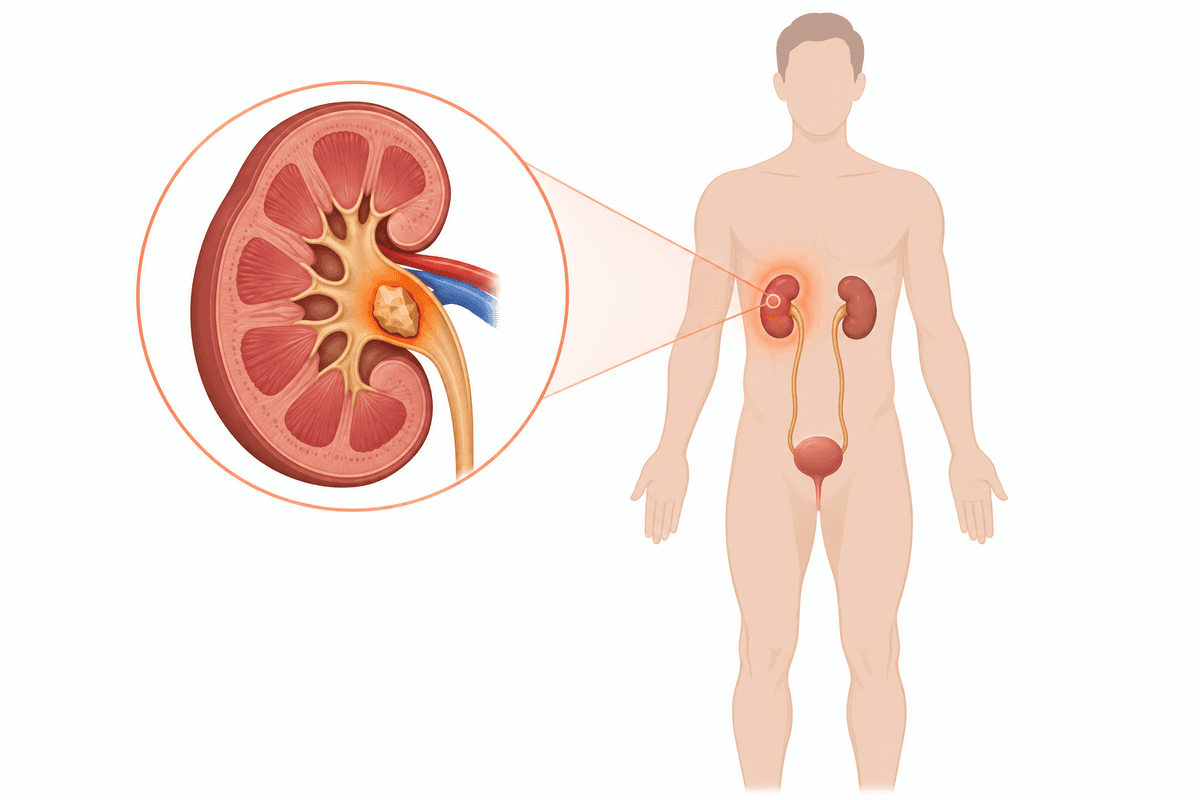
Kidney stones in Ahmednagar are hard mineral deposits that form in the kidneys, causing severe pain and urinary complications. These crystalline structures can vary in size from tiny grains to large stones requiring surgical intervention. Our specialist team at Shreedeep Hospital provides comprehensive diagnosis and advanced treatment options including endoscopic stone removal and laser lithotripsy.
The most common type, accounting for 80% of all kidney stones. These form when calcium combines with oxalate or phosphate in the urine, creating hard crystalline deposits that can cause significant pain and urinary obstruction.
Develop when urine becomes too acidic, often seen in patients with gout, diabetes, or those consuming high-protein diets. These stones may be visible on ultrasound but can be difficult to detect on standard X-rays.
Form rapidly in response to urinary tract infections, particularly those caused by bacteria that produce urease. These stones can grow quite large and may fill the entire kidney collecting system, creating a staghorn configuration.
Multiple factors can contribute to the development and progression of this condition.
Recognising the signs early gives you more treatment options.
From conservative to surgical — we always start with the least invasive option first.
A structured, patient-first approach from first visit to full recovery.
At Shreedeep Hospital, our specialist team conducts thorough assessment using advanced CT scans, ultrasound imaging, and urinalysis to determine stone size, location, composition, and optimal treatment approach. Metabolic testing identifies underlying risk factors to develop personalized prevention strategies.
Based on diagnostic findings, our urology team develops individualized treatment plans considering stone characteristics, patient health status, and preferences. We explain all available options from conservative management to advanced surgical techniques, ensuring patients make informed decisions about their care.
Our specialist team performs modern endoscopic and laser procedures using modern equipment including flexible ureteroscopes, holmium lasers, and imaging technology. Our focus on minimally invasive techniques ensures reduced pain, faster recovery, and excellent stone clearance rates with minimal complications.
Shreedeep Hospital provides comprehensive follow-up care including stone analysis, metabolic workup, dietary counseling, and long-term monitoring. We develop customized prevention protocols addressing hydration, nutrition, and lifestyle modifications to significantly reduce recurrence risk and protect kidney function.
What to expect at each phase of recovery.
In the first 24-48 hours after stone removal, patients experience mild discomfort, blood-tinged urine, and urinary frequency. Pain management is provided, and patients are encouraged to maintain high fluid intake. Most endoscopic procedures allow same-day or next-day discharge with minimal activity restrictions.
During the first 1-2 weeks, remaining stone fragments pass through urine, which may cause intermittent discomfort. Patients strain urine to collect fragments for analysis, continue prescribed medications, and gradually resume normal activities. Follow-up imaging confirms complete stone clearance and absence of residual fragments.
After initial recovery, focus shifts to preventing recurrence through lifestyle modifications, dietary changes, and metabolic management. Regular follow-ups with our specialist team include periodic imaging, urine testing, and adjustment of prevention strategies. Most patients achieve significant reduction in stone recurrence with proper adherence to recommendations.
Modern endoscopic and laser techniques at Shreedeep Hospital effectively treat most kidney stones in a single session, providing relief from pain and urinary symptoms with minimal need for repeat procedures.
Minimally invasive approaches enable most patients to resume normal daily activities within 3-7 days and return to work within 1-2 weeks. The reduced recovery time compared to traditional surgery significantly improves quality of life and minimizes disruption to professional and personal commitments.
Early and effective stone treatment prevents long-term kidney damage, chronic infections, and progressive renal impairment. Our specialist team's expertise in tissue-preserving techniques ensures optimal kidney function is maintained while achieving complete stone clearance.
Comprehensive metabolic evaluation and personalized prevention strategies help reduce the risk of future stone formation. Patients benefit from customized dietary plans, medication protocols, and ongoing monitoring that address underlying metabolic abnormalities contributing to stone disease.
Untreated kidney stones can lead to severe complications including permanent kidney damage, chronic kidney disease, and recurrent urinary tract infections. Large obstructing stones may cause hydronephrosis (kidney swelling), sepsis from infected urine, and complete loss of kidney function requiring dialysis. Progressive stone growth can create complex staghorn calculi that are more difficult to treat and significantly increase surgical risks.
Seek immediate medical attention if you experience severe back or side pain that doesn't improve, blood in urine, fever with chills, persistent nausea and vomiting, or difficulty passing urine. Even mild symptoms like recurring flank discomfort, changes in urination patterns, or family history of kidney stones warrant consultation with our specialist team at Shreedeep Hospital for proper evaluation and preventive care.
Early treatment means more options and better outcomes. Book a consultation to understand your condition and explore the right path forward.