Treated by our specialist team at Shreedeep Hospital
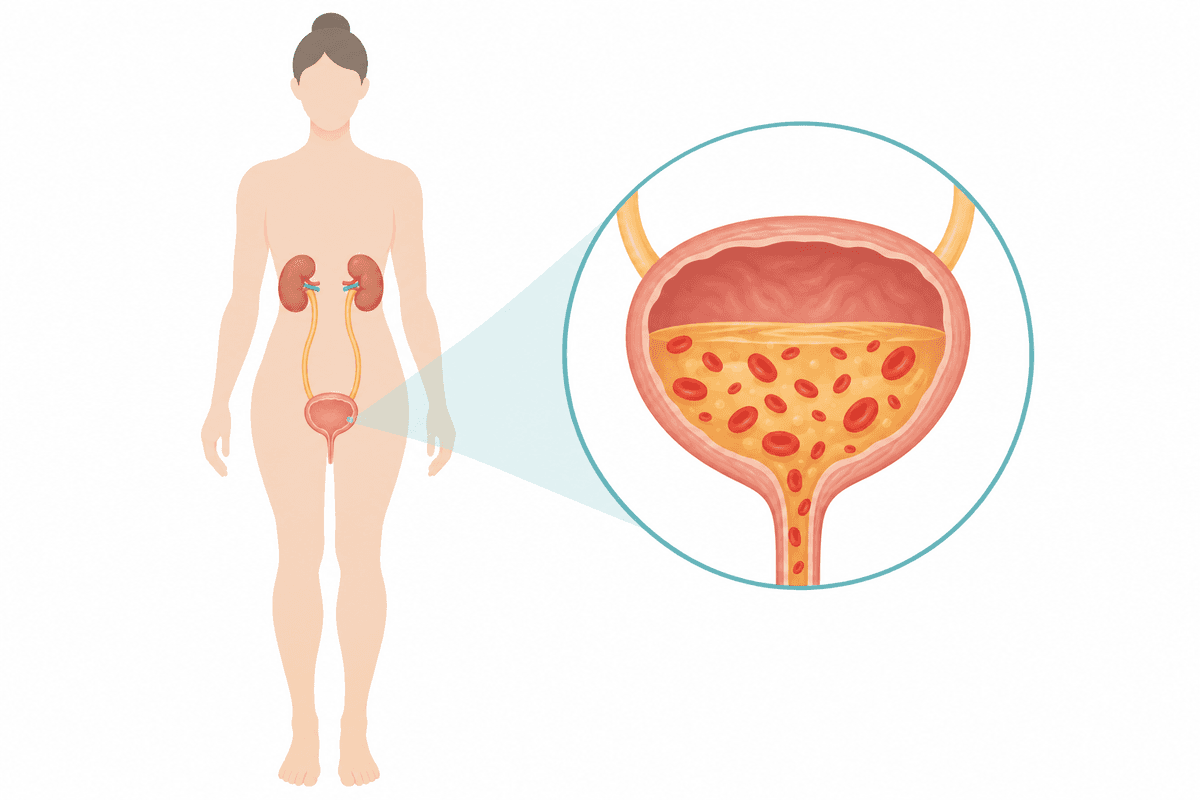
Blood in urine, medically known as hematuria, is a condition affecting patients in Ahmednagar that requires prompt urological evaluation to identify underlying causes ranging from infections to more serious conditions. This condition may present as visible red or pink discoloration or be detected only through microscopic analysis. Our specialist team at Shreedeep Hospital provides comprehensive diagnostic evaluation and treatment for patients experiencing hematuria.
Visible blood in urine that is apparent to the naked eye, causing urine to appear pink, red, or cola-colored. This type is immediately noticeable and often prompts patients to seek medical attention quickly.
Blood cells present in urine that are only detectable under microscopic examination or through laboratory testing. This type is often discovered during routine health screenings or investigations for other conditions.
Episodes of blood in urine that occur repeatedly over time, either with or without identifiable triggers. This pattern requires thorough investigation to determine the underlying cause and appropriate management strategy.
Multiple factors can contribute to the development and progression of this condition.
Recognising the signs early gives you more treatment options.
From conservative to surgical — we always start with the least invasive option first.
A structured, patient-first approach from first visit to full recovery.
Shreedeep Hospital conducts thorough patient history taking and physical examination by our specialist team, including detailed questions about urinary symptoms, medical history, medications, and risk factors to guide appropriate diagnostic testing.
Our facility performs complete urinalysis, urine culture, cytology, blood tests, and advanced imaging studies including ultrasound and CT urography. Cystoscopy is performed when indicated to directly visualize the urinary tract and identify the source of bleeding.
Our specialist team develops individualized treatment plans based on diagnostic findings, discussing all available options with patients and their families. Treatment approaches are tailored to address the specific cause while considering patient preferences and overall health status.
Shreedeep Hospital provides structured follow-up care with repeat urine testing, imaging when necessary, and regular consultations to ensure complete resolution of hematuria and monitor for any recurrence, adjusting treatment as needed for good outcomes.
What to expect at each phase of recovery.
During the first few days to weeks following treatment, patients are monitored for resolution of visible blood in urine. Temporary mild hematuria may persist depending on the treatment type, and patients receive guidance on activity restrictions, hydration, and medication compliance.
Over the following weeks to months, patients undergo confirmatory testing to ensure the underlying cause has been adequately addressed. Urine remains clear, and any symptoms such as pain or urinary frequency resolve. Patients gradually resume normal activities with medical clearance.
Ongoing surveillance includes periodic urine testing and consultations to detect any recurrence early. Patients with certain conditions like bladder tumors or kidney disease require regular cystoscopy or imaging. Lifestyle modifications and preventive measures are reinforced to maintain urinary tract health.
Most patients experience complete clearing of blood from urine following appropriate treatment of the underlying cause, with urine returning to normal color and no further episodes of bleeding detected on routine testing.
Thorough evaluation successfully identifies the specific cause of hematuria in the majority of cases, allowing for targeted treatment and providing patients with clarity about their condition and prognosis.
Early detection and treatment of serious conditions such as bladder cancer, kidney disease, or significant urological pathology prevents progression and improves long-term health outcomes with better prognosis when caught early.
Patients experience relief from anxiety associated with seeing blood in urine, resolution of associated symptoms like pain or urinary frequency, and confidence in their urological health through proper diagnosis and management.
Untreated blood in urine can lead to progression of underlying serious conditions such as bladder or kidney cancer, irreversible kidney damage, severe anemia from chronic blood loss, and complications from untreated infections or obstructive stones. Even when hematuria is caused by benign conditions, delays in diagnosis may allow preventable progression and complicate future treatment. Early evaluation is essential to rule out life-threatening causes and prevent long-term urological complications.
Seek immediate medical attention if you notice any visible blood in your urine, even if it occurs only once or is painless, as this may indicate serious underlying conditions requiring prompt evaluation. Contact our specialist team at Shreedeep Hospital urgently if hematuria is accompanied by fever, severe pain, inability to urinate, or passage of blood clots. Even microscopic hematuria detected on routine testing warrants thorough urological evaluation to identify and address the underlying cause.
Early treatment means more options and better outcomes. Book a consultation to understand your condition and explore the right path forward.