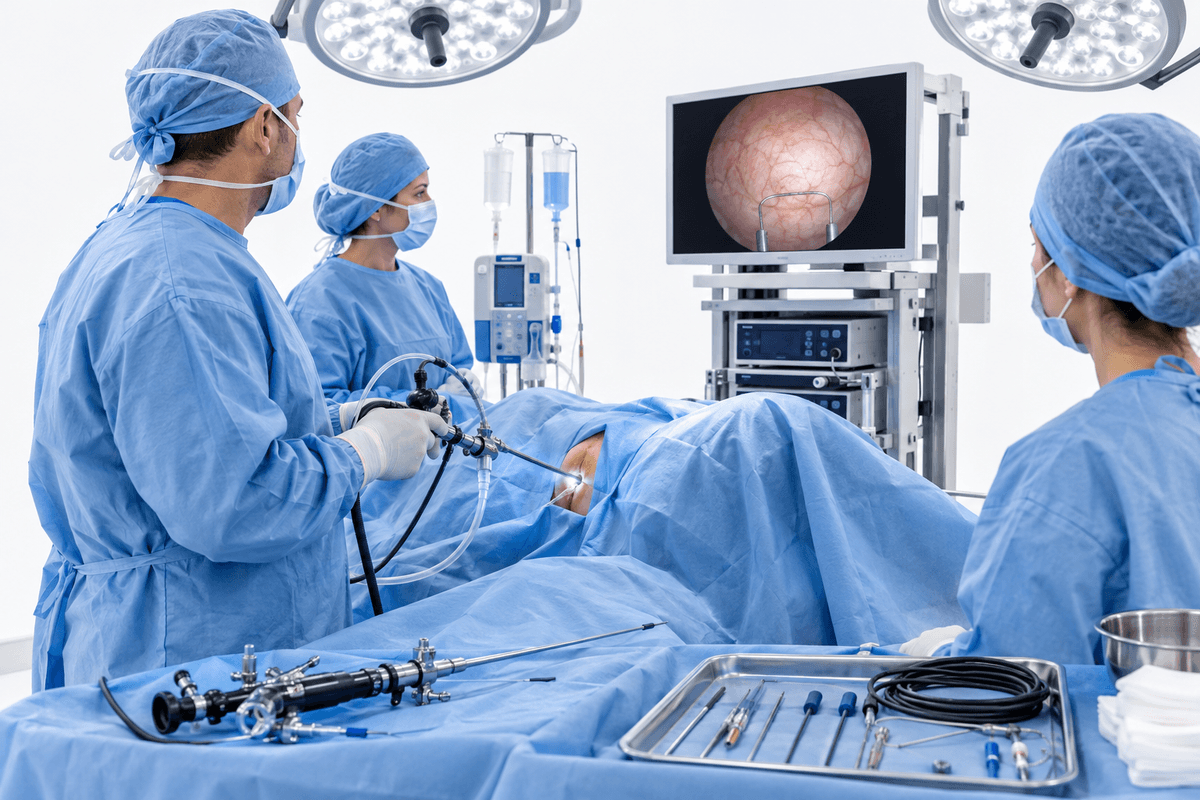
Performed by our specialist team at Shreedeep Hospital
Bladder surgery in Ahmednagar encompasses a range of advanced urological procedures to treat various bladder conditions including tumors, stones, incontinence, and structural abnormalities. These surgeries may be performed using traditional open techniques or minimally invasive approaches including laparoscopic and endoscopic methods. Our specialist team at Shreedeep Hospital provides comprehensive bladder surgical care with modern technology and personalized treatment protocols.
We believe in honest, upfront disclosure so you can make an informed decision.
A step-by-step look at what happens during this procedure.
Comprehensive evaluation including cystoscopy, imaging studies like CT or MRI, and blood tests to determine the exact nature and extent of the bladder condition requiring surgical intervention.
General or spinal anaesthesia is administered to ensure complete comfort during the procedure. The anaesthesia team monitors vital signs throughout the surgery.
Depending on the condition, the surgeon accesses the bladder through minimally invasive endoscopic approach via the urethra, laparoscopic incisions, or traditional open surgery through a lower abdominal incision.
The specific procedure is performed which may include tumor removal, stone extraction, bladder wall repair, partial cystectomy, or complete bladder reconstruction depending on the diagnosis.
A urinary catheter is placed to allow healing and proper drainage. Surgical incisions are closed with sutures, and the patient is moved to recovery for monitoring.
A structured, patient-first approach from first consultation to full recovery.
Our specialist team conducts thorough urological assessments using advanced diagnostic tools including cystoscopy and imaging to accurately diagnose bladder conditions and plan the most appropriate surgical approach.
Shreedeep Hospital develops individualized surgical plans based on the specific bladder condition, patient health status, and desired outcomes, choosing between minimally invasive and traditional approaches.
Our urology department utilizes modern equipment and techniques including endoscopic procedures, laparoscopic surgery, and precise microsurgical methods to ensure good outcomes with minimal tissue trauma.
Shreedeep Hospital provides dedicated postoperative monitoring, pain management, infection prevention protocols, and structured rehabilitation guidance to ensure smooth recovery and long-term bladder function.
What to expect at each stage of your recovery journey.
First 2-5 days in hospital with catheter in place, pain management, monitoring for complications, and gradual mobilization. Intravenous fluids and antibiotics are administered to prevent infection.
Weeks 1-3 after discharge with catheter management at home initially, gradual return to light activities, avoiding heavy lifting, and attending follow-up appointments for catheter removal and wound assessment.
Weeks 4-6 with progressive return to normal activities including work and exercise. Bladder function typically normalizes, and patients undergo cystoscopy or imaging to assess healing and surgical success.
Successful removal of tumors, stones, or correction of structural abnormalities leads to significant improvement or complete resolution of urinary symptoms including pain, frequency, urgency, and incontinence.
Patients experience enhanced daily functioning with restored normal urination patterns, elimination of chronic discomfort, and ability to participate in social and physical activities without bladder-related limitations.
For bladder cancer patients, surgical intervention provides good local disease control with appropriate staging, tumor removal, and foundation for additional treatments if needed, improving survival outcomes.
By addressing obstructive bladder conditions, infections, and reflux problems, bladder surgery prevents progressive kidney damage and maintains long-term renal health and overall urinary system function.
Let's clear up some of the most common myths about bladder surgery.
Get a personalised assessment from an experienced specialist. Understand your options, ask your questions, and decide with confidence.