Treated by our specialist team at Shreedeep Hospital
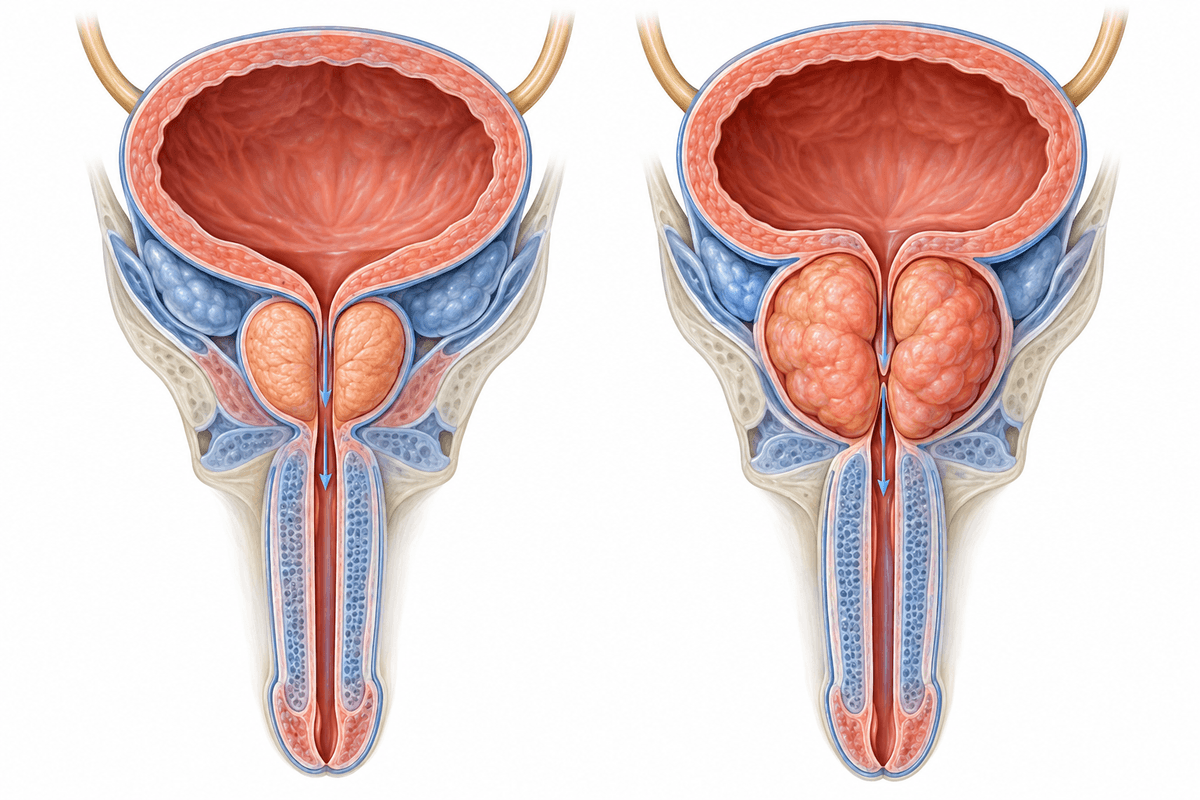
Prostate enlargement, also known as benign prostatic hyperplasia (BPH), is a common condition affecting men in Ahmednagar as they age, where the prostate gland gradually increases in size and can compress the urethra, leading to uncomfortable urinary symptoms. The condition typically develops after age 50 and can significantly impact quality of life if left untreated. At Shreedeep Hospital, our specialist team provides comprehensive evaluation and treatment options tailored to each patient's specific needs.
The most common type where the prostate gland enlarges gradually due to non-cancerous cell growth in the transition zone surrounding the urethra, causing progressive urinary obstruction and lower urinary tract symptoms that worsen over time.
A condition where severe prostate enlargement creates significant blockage at the bladder neck, preventing complete bladder emptying and leading to urinary retention, overflow incontinence, and potential kidney damage if not addressed promptly.
A combined presentation where patients experience both obstructive symptoms like weak stream and incomplete emptying alongside irritative symptoms such as urgency, frequency, and nocturia, requiring comprehensive management approaches.
Multiple factors can contribute to the development and progression of this condition.
Recognising the signs early gives you more treatment options.
From conservative to surgical — we always start with the least invasive option first.
A structured, patient-first approach from first visit to full recovery.
At Shreedeep Hospital, our specialist team begins with a detailed medical history, physical examination including digital rectal exam, and comprehensive assessment using International Prostate Symptom Score (IPSS) questionnaires to quantify the severity of urinary symptoms and their impact on quality of life.
Our urology department utilizes modern diagnostic tools including PSA blood tests to rule out prostate cancer, uroflowmetry to measure urine flow rates, post-void residual volume assessment via ultrasound, and transrectal ultrasound when needed to accurately determine prostate size and structure.
Our specialist team develops individualized treatment plans based on prostate size, symptom severity, patient age, overall health status, and personal preferences, explaining all available options from conservative management to advanced surgical interventions, ensuring patients make informed decisions about their care.
Shreedeep Hospital provides continuous post-treatment monitoring with scheduled follow-up appointments to assess treatment effectiveness, manage any side effects, adjust medications as needed, and perform periodic reassessments to ensure optimal long-term urinary function and patient satisfaction.
What to expect at each phase of recovery.
Following surgical intervention, patients may experience temporary urinary catheterization, mild discomfort, and blood-tinged urine. During this phase, adequate hydration, avoiding heavy lifting, and following prescribed medications help ensure proper healing while gradually improving urinary function.
Most patients notice significant improvement in urinary symptoms as swelling subsides and the urethra heals. Urinary control gradually returns to normal, though some urgency or frequency may persist temporarily. Patients typically resume most normal activities while continuing to avoid strenuous exercise.
By this stage, patients experience sustained improvement in urinary flow, reduced nocturia, and enhanced quality of life. Regular follow-up visits monitor for any recurrence of symptoms, and most men return to all normal activities with significantly better bladder function and minimal restrictions.
Patients typically experience marked reduction in urinary frequency, nocturia, urgency, and weak stream, with improved bladder emptying and substantial enhancement in overall quality of life and daily functioning.
Treatment typically results in doubling or tripling of peak urinary flow rates compared to pre-treatment measurements, allowing efficient and complete bladder emptying without straining or prolonged voiding times.
Appropriate management prevents progression to acute urinary retention, bladder damage, hydronephrosis, kidney dysfunction, recurrent urinary tract infections, and bladder stone formation that can occur with untreated severe obstruction.
Surgical treatments like TURP provide durable symptom relief lasting 10-15 years or more in most patients, while medical management offers ongoing control with proper adherence, minimizing the need for repeated interventions.
Untreated prostate enlargement can lead to serious complications including chronic urinary retention with bladder overdistension, recurrent urinary tract infections, bladder stones, and progressive bladder dysfunction. Over time, severe obstruction can cause hydronephrosis and irreversible kidney damage, while acute urinary retention may require emergency catheterization. The persistent straining and incomplete emptying significantly diminish quality of life and can result in permanent bladder weakness even after eventual treatment.
You should seek medical attention from our specialist team at Shreedeep Hospital if you experience persistent urinary symptoms such as frequent nighttime urination, weak stream, difficulty starting urination, or incomplete bladder emptying that interfere with daily activities. Immediate medical care is essential if you develop complete inability to urinate, severe pain, blood in urine, fever with urinary symptoms, or signs of kidney problems such as back pain and swelling. Early evaluation allows for timely intervention and prevention of complications.
Early treatment means more options and better outcomes. Book a consultation to understand your condition and explore the right path forward.