Treated by our specialist team at Shreedeep Hospital
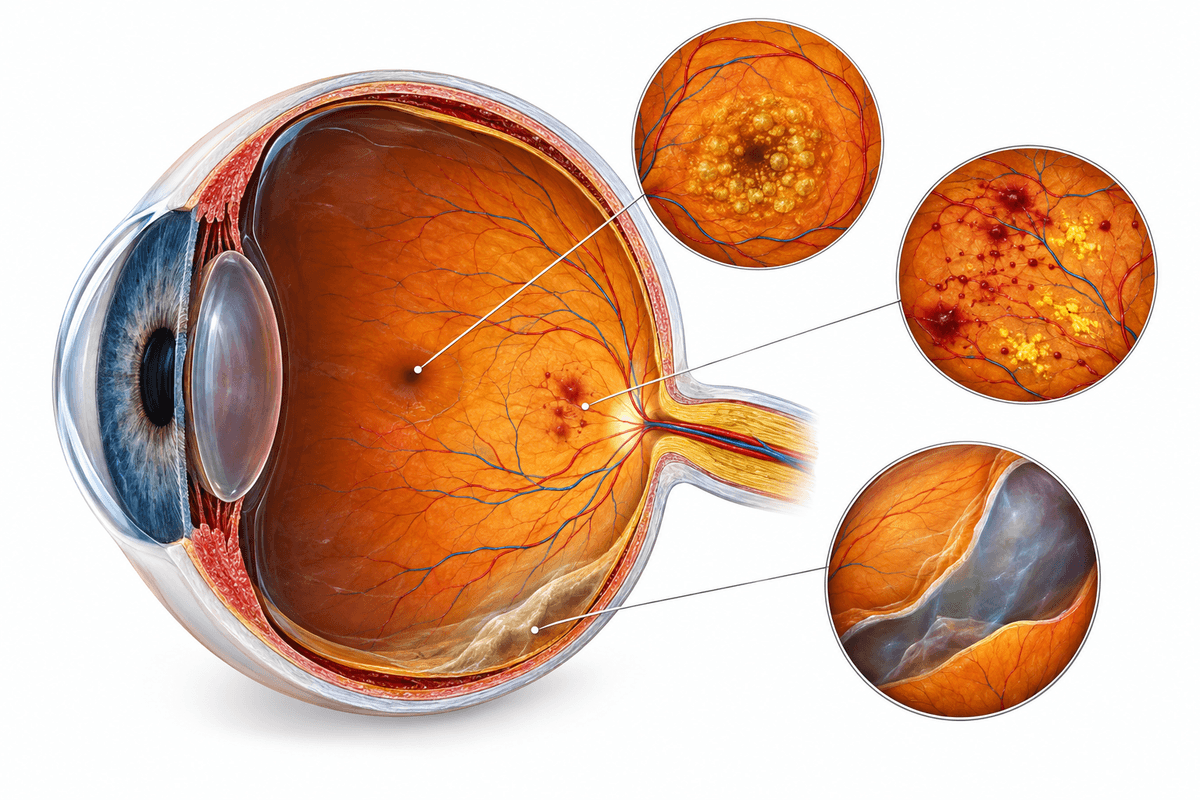
Retinal diseases in Ahmednagar affect the light-sensitive tissue at the back of the eye, potentially causing vision loss or blindness if left untreated. These conditions range from age-related macular degeneration to diabetic retinopathy and retinal detachment, each requiring specialized care. Our specialist team at Shreedeep Hospital provides comprehensive diagnosis and treatment for all retinal disorders using advanced ophthalmic technology.
Damage to retinal blood vessels caused by prolonged diabetes, leading to leakage, abnormal vessel growth, and potential vision loss if blood sugar remains uncontrolled.
Progressive deterioration of the macula, the central part of the retina responsible for sharp vision, occurring in dry and wet forms, primarily affecting individuals over 50 years.
Separation of the retina from its underlying supportive tissue, creating a medical emergency that requires immediate surgical intervention to prevent permanent vision loss.
Multiple factors can contribute to the development and progression of this condition.
Recognising the signs early gives you more treatment options.
From conservative to surgical — we always start with the least invasive option first.
A structured, patient-first approach from first visit to full recovery.
Our specialist team performs detailed fundus examination, optical coherence tomography (OCT), and fluorescein angiography at Shreedeep Hospital to accurately diagnose the type and severity of retinal disease affecting your vision.
Based on diagnostic findings, our team develops an individualized treatment strategy considering disease progression, patient age, overall health, and visual requirements to optimize outcomes and preserve maximum vision.
Shreedeep Hospital offers modern treatment options including anti-VEGF injections, laser photocoagulation, and surgical procedures performed by our specialist team using modern ophthalmic equipment in our well-equipped operation theaters.
Regular follow-up appointments with repeat imaging and examinations ensure treatment effectiveness, detect any disease progression early, and allow timely adjustments to the management plan for good long-term visual outcomes.
What to expect at each phase of recovery.
Patients may experience mild discomfort, redness, or blurred vision following procedures. Eye drops are prescribed to prevent infection and reduce inflammation. Positioning restrictions may apply after certain surgeries like vitrectomy. Activity limitations include avoiding heavy lifting and strenuous exercise.
Vision gradually improves as the retina heals and any gas bubble or swelling resolves. Regular follow-up visits monitor healing progress and check intraocular pressure. Most patients can resume normal daily activities with some restrictions on contact sports or swimming.
Continued monitoring through periodic eye examinations and imaging studies ensures disease stability and early detection of recurrence. Management of underlying conditions like diabetes and hypertension is crucial. Some patients may require repeat injections or additional treatments to maintain vision.
Most patients achieve stabilization of vision loss with appropriate treatment, preventing further deterioration. Early intervention offers the best prognosis, with many patients maintaining functional vision for daily activities and quality of life.
Timely treatment significantly reduces the risk of advanced complications such as severe hemorrhage, traction retinal detachment, or complete retinal necrosis. Regular monitoring helps catch any recurrence early for prompt management.
Some patients experience improvement in visual acuity, contrast sensitivity, and reduction in distortion following treatment, particularly with conditions like macular edema. Results vary based on disease severity and duration before treatment initiation.
Successful treatment allows patients to maintain their ability to perform essential daily tasks, continue working, drive safely, and enjoy hobbies. This preservation of functional vision significantly impacts overall quality of life and mental well-being.
Untreated retinal diseases progressively worsen, leading to severe permanent vision loss or complete blindness. Diabetic retinopathy can cause vitreous hemorrhage and tractional retinal detachment, while untreated retinal detachment results in irreversible photoreceptor damage. Age-related macular degeneration advances to geographic atrophy or choroidal neovascularization, eliminating central vision and the ability to perform daily activities independently.
Seek immediate medical attention if you experience sudden onset of floaters, flashes of light, a shadow or curtain over your vision, or sudden vision loss, as these may indicate retinal detachment requiring emergency care. Schedule an appointment with our specialist team if you notice gradual vision changes, distorted or wavy lines, difficulty reading, or dark spots in your central vision. Individuals with diabetes, high myopia, or family history of retinal disease should undergo regular comprehensive eye examinations even without symptoms.
Early treatment means more options and better outcomes. Book a consultation to understand your condition and explore the right path forward.