Treated by our specialist team at Shreedeep Hospital
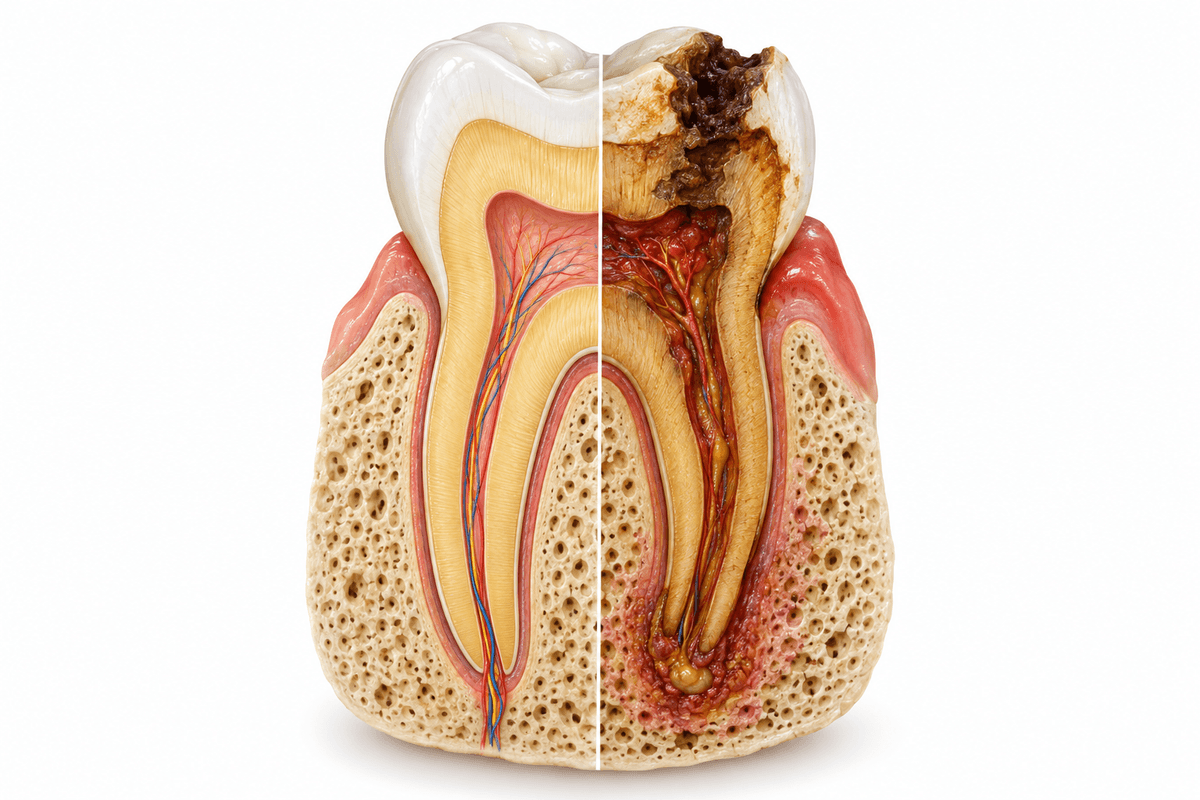
Tooth decay in Ahmednagar is a common dental problem where bacteria produce acids that erode tooth enamel, creating cavities. It affects people of all ages and can lead to pain, infection, and tooth loss if left untreated. At Shreedeep Hospital, our specialist team provides comprehensive treatment options ranging from preventive care to advanced restorative procedures to preserve your natural teeth and oral health.
Occurs on the smooth sides of teeth where bacteria dissolve enamel. This is the slowest-growing type and most preventable through proper oral hygiene and fluoride use.
Develops in the narrow grooves on the chewing surfaces of back teeth. This type progresses faster because food particles and bacteria easily get trapped in these areas.
Affects the tooth root surface when gums recede, exposing the root to bacteria. Most common in older adults and progresses rapidly as root surfaces lack protective enamel.
Multiple factors can contribute to the development and progression of this condition.
Recognising the signs early gives you more treatment options.
From conservative to surgical — we always start with the least invasive option first.
A structured, patient-first approach from first visit to full recovery.
Our specialist team conducts a thorough clinical examination of your teeth, gums, and oral cavity, using advanced diagnostic tools including digital X-rays to identify the extent and location of decay, even in areas not visible to the naked eye.
Based on the diagnosis, our team develops a customized treatment plan tailored to your specific needs, explaining all options from conservative to advanced approaches, ensuring you understand the procedure, expected outcomes, and associated costs with complete transparency.
Shreedeep Hospital utilizes modern dental technology and techniques to provide comfortable, efficient treatment. We prioritize pain management through effective anesthesia and ensure precision in decay removal and restoration to preserve maximum healthy tooth structure.
After treatment, we provide detailed instructions on oral hygiene, dietary modifications, and preventive measures. Regular follow-up appointments are scheduled to monitor your dental health, perform professional cleanings, and catch any new issues early before they progress.
What to expect at each phase of recovery.
Following fillings or fluoride treatment, you can resume normal activities immediately with minimal discomfort. For root canals or extractions, some tenderness and swelling may occur for 2-3 days, managed with prescribed medications and cold compresses.
Within one to two weeks, treated teeth settle and any sensitivity gradually subsides. For extractions, the socket begins healing as new tissue forms. It's important to maintain excellent oral hygiene while avoiding hard or sticky foods on the treated side.
Complete healing occurs within 4-6 weeks for most procedures. Restored teeth function normally with proper care including brushing twice daily, flossing, limiting sugary foods, and attending regular dental check-ups every six months for professional cleaning and monitoring.
Treatment eliminates toothache, sensitivity, and discomfort, allowing you to eat, drink, and speak without pain. Most patients experience immediate relief after the procedure with restored oral comfort.
Early intervention with fillings or root canal treatment saves natural teeth from extraction, maintaining your original tooth structure, bite alignment, and facial aesthetics while avoiding the need for artificial replacements.
Treating decay stops the progression of infection, preventing abscess formation, bone loss, and spread of bacteria to adjacent teeth or systemic circulation, protecting your overall health and avoiding emergency situations.
Modern restorative materials match natural tooth color and restore full chewing function. Treated teeth blend seamlessly with surrounding teeth, giving you confidence to smile freely while enjoying all types of food without restriction.
Untreated tooth decay progressively destroys tooth structure, leading to severe pain, dental abscess, and systemic infection that may require hospitalization. The infection can spread to surrounding teeth, jawbone, and even vital organs through the bloodstream, causing serious health complications. Eventually, the tooth becomes non-restorable and must be extracted, leading to gaps that affect bite alignment, speech, facial appearance, and overall quality of life while increasing treatment complexity and costs.
You should consult our specialist team at Shreedeep Hospital if you experience tooth sensitivity, pain, or notice visible holes, dark spots, or rough areas on your teeth. Don't wait for severe pain to develop, as early-stage decay is easier and less expensive to treat. Regular dental check-ups every six months are essential for detecting decay in its initial stages before symptoms appear, allowing for preventive treatment and avoiding complex procedures.
Early treatment means more options and better outcomes. Book a consultation to understand your condition and explore the right path forward.