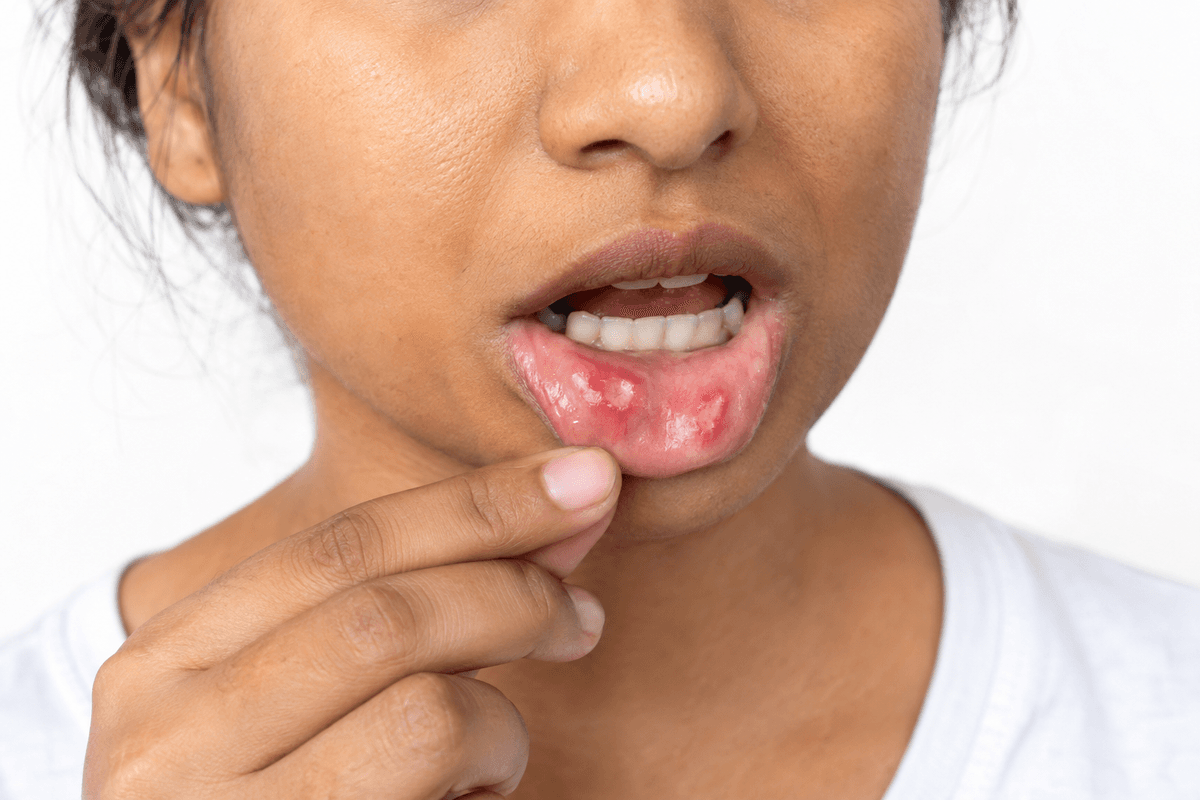
Treated by our specialist team at Shreedeep Hospital
Mouth ulcers are painful sores that develop on the soft tissues inside the mouth, affecting many residents of Ahmednagar. These lesions can appear on the tongue, inner cheeks, lips, gums, or palate, causing discomfort while eating, drinking, or speaking. Most mouth ulcers heal within one to two weeks, though some may require professional intervention. At Shreedeep Hospital, our specialist team provides comprehensive evaluation and treatment for persistent or recurrent mouth ulcers.
Small, oval-shaped ulcers less than 10mm in diameter with a white or yellow center and red border. Most common type, accounting for 80% of cases, healing within 7-14 days without scarring.
Larger ulcers exceeding 10mm in diameter, deeper and more painful than minor ulcers. Can take several weeks to heal and may leave scarring. Often affect the lips, soft palate, and throat.
Multiple small ulcers (1-3mm) appearing in clusters of 10-100, resembling herpes infection but not viral in origin. Commonly affect women and appear later in life, healing within 1-2 weeks.
Multiple factors can contribute to the development and progression of this condition.
Recognising the signs early gives you more treatment options.
From conservative to surgical — we always start with the least invasive option first.
A structured, patient-first approach from first visit to full recovery.
Our specialist team conducts a thorough visual inspection of the mouth, tongue, and throat to assess ulcer size, location, and characteristics. The examination includes reviewing medical history, dietary habits, stress levels, and any underlying conditions that may contribute to ulcer formation.
Shreedeep Hospital performs necessary blood tests to check for nutritional deficiencies, immune disorders, or systemic conditions. When needed, tissue samples are collected for biopsy to rule out serious pathology and determine the most appropriate treatment approach.
Based on examination findings and test results, our dental team develops an individualized treatment plan. This may include topical medications, prescription drugs, dietary modifications, or procedural interventions tailored to the severity and underlying cause of the ulcers.
Shreedeep Hospital schedules regular follow-up appointments to monitor healing progress and treatment effectiveness. Our specialist team provides detailed guidance on oral hygiene practices, dietary adjustments, stress management, and preventive measures to reduce future occurrences.
What to expect at each phase of recovery.
Pain management begins immediately with topical anesthetics and antimicrobial rinses. Patients experience reduced discomfort while eating and speaking, though ulcers remain visible. Avoiding irritating foods and maintaining gentle oral hygiene are essential during this phase.
Ulcer size decreases as tissue regeneration occurs. The white or yellow center gradually shrinks and surrounding redness reduces. Pain continues to diminish, allowing return to normal eating patterns. Continued medication use supports good healing and prevents secondary infection.
Most minor ulcers heal completely without scarring. The affected area returns to normal appearance and function. Patients can resume all dietary choices and oral hygiene routines. Preventive strategies are implemented to minimize recurrence risk.
Most minor mouth ulcers heal completely within two weeks without leaving scars or permanent tissue damage. The oral mucosa returns to its normal appearance and full function is restored.
Patients experience substantial pain relief within 2-3 days of starting treatment, allowing comfortable eating, drinking, and speaking. Quality of life improves dramatically as discomfort subsides.
Comprehensive evaluation reveals nutritional deficiencies, allergies, or systemic conditions contributing to ulcer formation. Addressing these root causes prevents future recurrences and improves overall health.
Early diagnosis and appropriate treatment prevent secondary bacterial infections, dehydration from eating difficulties, and progression to more severe oral conditions. Timely intervention ensures good outcomes.
Untreated mouth ulcers can lead to secondary bacterial infections, causing increased pain, swelling, and potential abscess formation. Persistent ulcers lasting more than three weeks may indicate underlying serious conditions including oral cancer, autoimmune disorders, or systemic diseases requiring immediate medical attention. Chronic recurrent ulcers significantly impact nutrition, speech, and quality of life, potentially leading to malnutrition and social withdrawal.
Seek immediate dental care if mouth ulcers persist beyond three weeks, grow unusually large (over 1cm), or are accompanied by high fever, severe pain, or difficulty swallowing. Consult our specialist team at Shreedeep Hospital if you experience frequent recurrent ulcers, ulcers that bleed excessively, or if you notice spreading redness and swelling indicating infection. Immediate evaluation is crucial if ulcers develop hard edges, irregular borders, or unusual coloration that could suggest malignancy.
Early treatment means more options and better outcomes. Book a consultation to understand your condition and explore the right path forward.